
To be an enemy of the wolves is dangerous. But to be a friend is fatal.
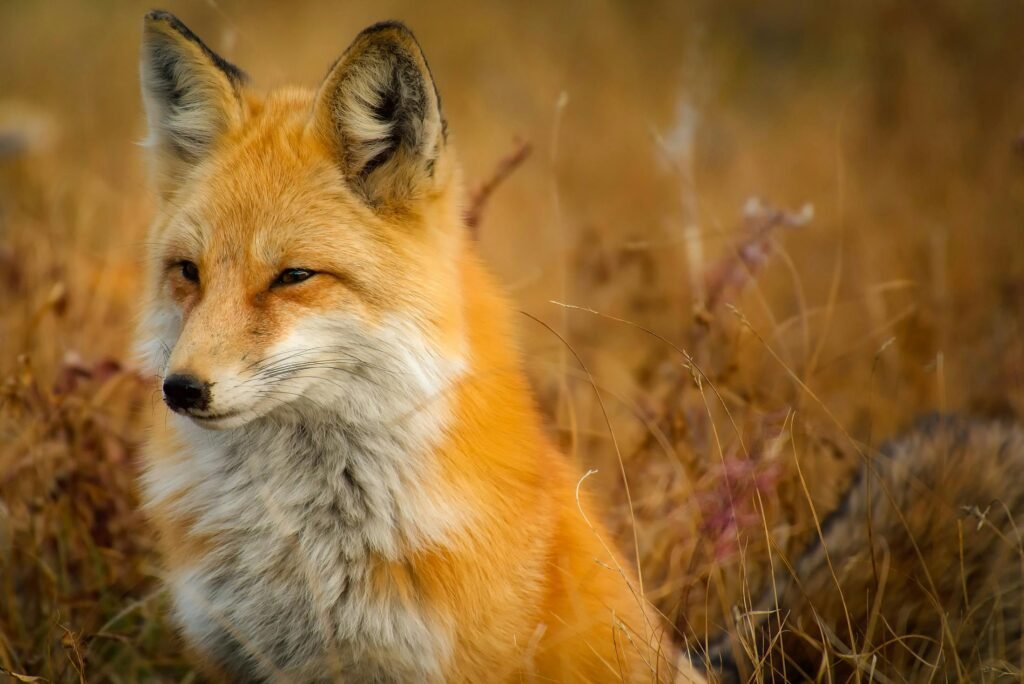
There was once a young fox, he was quick, hungry, and bright-eyed and who looked, at a glance, a little like the wolves. Not the way other animals looked like them; he shared their coloring, their sly tilt of the jaw, the smoothness of their walk. He told himself that likeness was safety. He told himself that family protects family.
The wolves noticed him. They liked that his fur caught the light the way theirs did. They liked that he swallowed their stories without chewing. So, the fox went all in.
He learned their language: the clipped phrases, the sharp metaphors, the casual cruelty that passed for wisdom. He took their talking points and wore them like armor. He repeated their lines until his voice matched theirs — the same righteous cadence that turned slaughter into necessity and theft into security.
Then he built a company.
It looked respectable: wooden sign, polite logo, pamphlets that smelled faintly of cedar and money. But the company’s purpose was simple. The fox travelled through the forests telling younger Canidae and other animals that the histories they’d been taught were lies. He taught them to unlearn memory and swallow praise. He taught them to cast out inconvenient truths. He promised belonging — a seat beside the wolves — to any animal willing to deny their own history, their own pain, for the warm glow of acceptance.
At first it worked. The fox was dazzled. He lured in eager mouths using the same old comforts the wolves enjoy: privilege, promotions, invitations to feasts. He showed them how to deride the once mourned as criminals, how to call the victim a villain when their masters demanded it. He offered advancement to those who learned to preen and parrot, and he smiled a fox smile that felt, to him, like triumph.
But wolves do not make friends. Wolves make pawns.
The fox’s job was simple as long as he stayed obedient. Deny. Distract. Discredit. When he did, the wolves fed him crumbs and let him dance in the den’s outer circle. But when he began to ask the small, dangerous questions — when he refused the hush-money projects, when a conscience tugged at his throat like a stubborn vine — everything changed.
To the wolves, questioning is weakness. To the wolves, refusal is a risk to be eliminated.
They hired a snake with a steady aim. A sharp shooter whose scales made no sound when he coiled. The fox learned how fragile his certainty was in the space of a breath: one morning he was giving a lecture about loyalty; one evening he bled on his own doorstep.
And oh — the wolves loved a spectacle.
They fell to the ground with perfect, theatrical grief. They cried on camera. They sent out a press of howls and tears and righteous indignation. They raised banners demanding justice. And while the cameras focused on mourning, they moved the pieces on their chessboard.
Troops of wild dogs — the wolves’ new “protectors” — were stationed across the forests, allegedly to “secure” the peace. Checkpoints mushroomed. Papers were signed. Freedoms were narrowed with promises of safety. The fox’s death was the drumbeat that called the march forward.
Inside the den, the wolves laughed until their bellies ached. Outside, the animals whispered the truth in low voices, but whispering is thin defense. The lesson was carved into every young mouth: allegiance bought you comfort. Questioning bought you murder.
The fox’s arrogance had been his undoing. He thought calamity only happened to others, to those who looked different, to those who dared to stand alone. He believed that likeness would protect him — that if you look like the wolves, you cannot be eaten.
He was wrong.
He was not the first. He will not be the last.
There will always be animals who imagine that proximity equals safety, that by bending their backs they can avoid the wolves’ teeth. They will think themselves cleverer than those who were eaten before them — certain they can play both sides, certain they can sip at the wolves’ cup and never be poisoned.
But the wolves do not drink with friends. They drink while the rest of the forest sleeps, and when they rise, they sharpen the knives they hand to others. They teach you how to bite, then teach the world that only you bite. Then, when you grow tired of the taste, they hand your throat to the night. If you lay with wolves, do not be surprised when you wake with blood on your paws.
The true measure of courage is not how loudly you howl with the powerful. It is how gently you hold the truth when they ask you to smother it. If you choose the wolves for warmth, be honest about what you give up: your history, your voice, and maybe, one day, your life.
Have you seen a fox in your life — someone who traded conscience for comfort? Share the story. We learn faster from each other’s wounds than from anyone else’s wisdom.
Salima
Just me thinking out loud over here