
“Those who spend their lives repainting truth only prove how little power they have over it.”
For millennia, history was buried, rewritten, and signed by the winners. What survived was not always what happened — but what power declared had happened.
When a lone voice rose to contradict the story, it was drowned in noise, mocked, or quietly erased or simply ignored. The masses read from the same book, written by the victors, and in that book the victors were always righteous.
And so the world moved forward carrying a version of truth that fit neatly into the hands of those who ruled it.
Then one day, a man imagined a bridge — a bridge that would connect every corner of the earth. When that bridge was built, people called it the internet.
And at the end of that bridge, something unexpected appeared.
A wall.
A wall unlike any other. A wall that anyone could approach. A wall that anyone could read.
But it had one peculiar rule:
Only truth could remain written upon it.
This wall was a miracle to many — and a catastrophe to a few.
Those who had long shaped stories to their advantage suddenly found their actions written plainly before the world. Villains could no longer hide behind heroic speeches. Crimes no longer dissolved into silence. Narratives once controlled from high towers stood exposed in simple language anyone could read.
The wall did not accuse.
It did not shout.
It did not persuade.
It simply showed.
And that was intolerable.
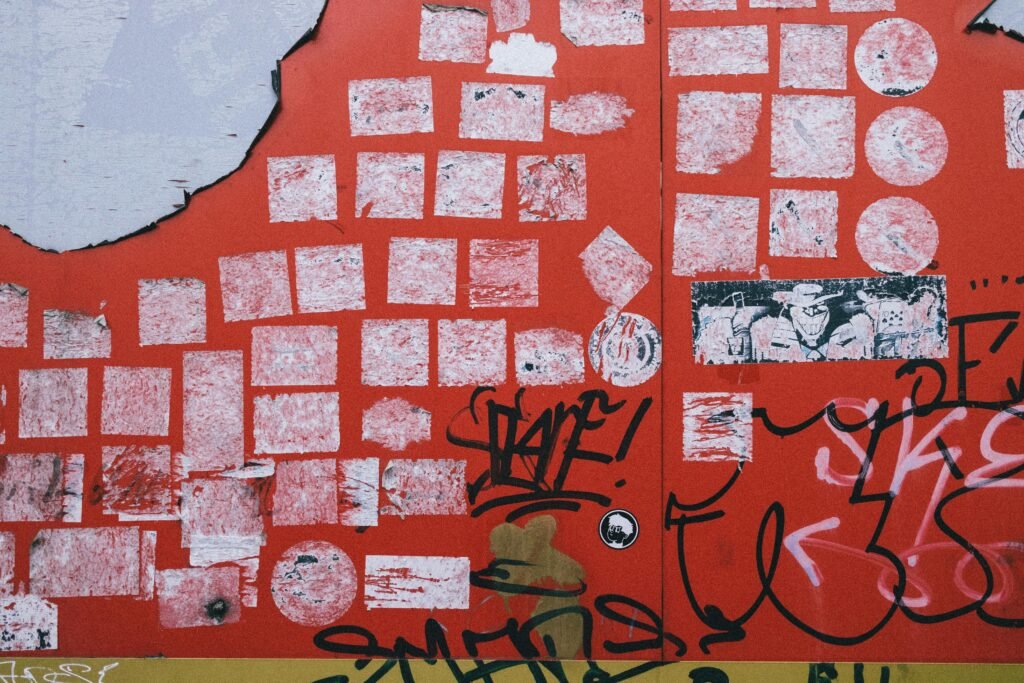
So, the powerful sent painters.
Painters with buckets full of words, colors, slogans, and certainty. Some painted for wealth. Some painted out of loyalty. Others painted because they genuinely believed the wall must be wrong — for it contradicted everything they had been taught.
Many of them had been raised on stories repeated so often they felt like blood memory. To question those stories felt like tearing open their own foundations. So they painted with conviction, determined to protect the world they understood.
Day after day, they covered the wall.
Day after day, the paint faded.
The truth rose again — unchanged, patient, indifferent to effort or expense.
The wall did not argue.
It did not defend itself.
It did not tire.
It simply remained.
And no matter how many painters arrived — and there were always more — the writing returned, waiting for anyone willing to read.
Truth needs no defenders — only time. Paint may cover a wall, but it cannot command what remains written beneath.
Salima
Just me thinking out loud over here