
The Forest, the Hooves, and the Professional Tears
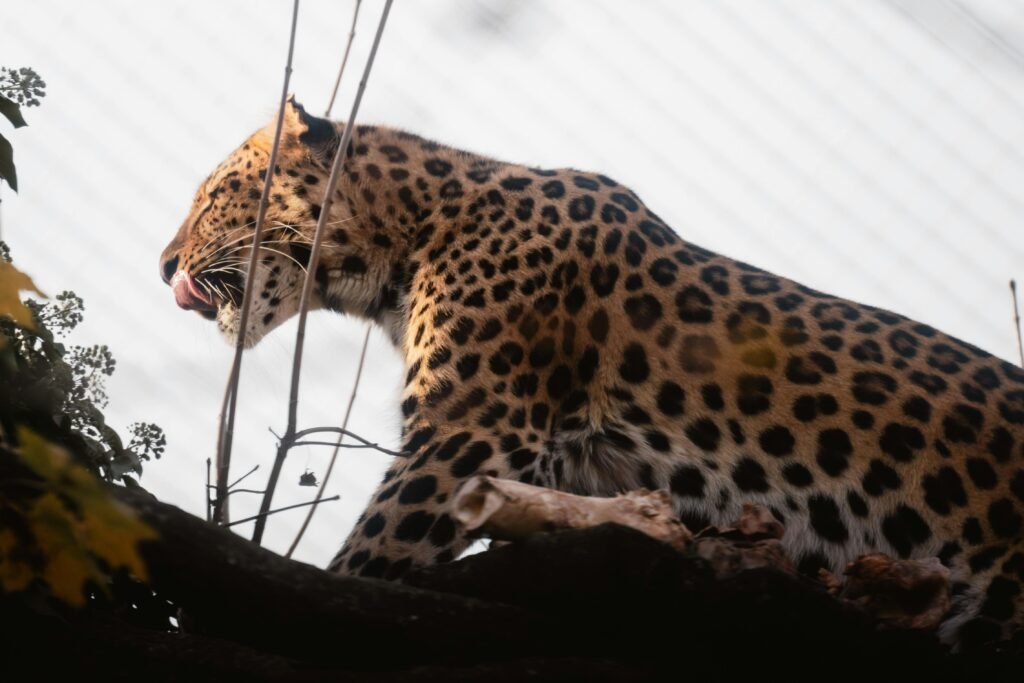
Photography by Ahmet Yüksek
Each footprint, each howl, each shattered branch is recorded in the silence between the trees.
This chapter picks up where the last left off: the forest is restless, the alliances are tested, and the long game of survival continues.
Step carefully. Listen closely. The animals are watching, and the forest remembers everything.
The Bisons arrived decades ago, declaring ancient ownership. They said the land had always been theirs, since the beginning of time — even though the grass did not recognize their hooves, and the rivers did not remember their names.
They came with certainty, with noise, with banners made of memory selectively edited.
And wherever they went, conflict followed. Every creature who questioned them became an enemy. Every resistance was reframed as aggression.
They mastered one thing early: history favors the loud, not the accurate.
The Wolves were their uncontested allies. Guardians of narrative. Enforcers of order.
They stood beside the Bisons in every skirmish, every accusation, every lament — howling about morality while ensuring the balance of power never shifted.
The Bisons learned quickly how to wear grief like armor. How to provoke and then cry.
How to strike and then point at the wound. The only force they had never fully subdued were the Persian Leopards.
The Leopards were not new to conquest. They had once ruled a vast empire — roads, systems, memory, strategy. They knew sieges, sanctions, starvation, smears. They had seen empires rise loudly and collapse quietly.
So, when the Bisons and Wolves tried to isolate them — to starve them, to rewrite them, to paint them as monsters — the Leopards endured.
They waited.
Then one day, the smaller animals living under the Bisons’ hooves rebelled. They crossed into Bison territory. It was chaotic. Brutal. Bloody.
For years, these animals living beneath the hooves of the Bisons endured quietly.
Crushed grass, stolen water, erased paths.
Their suffering was invisible — until it wasn’t.
And the Bisons were ecstatic.
Finally — the opportunity they had been waiting for.
They let it happen.
Then they wept.
They screamed.
They declared it the worst crime the forest had ever seen.
They demanded vengeance.
The Wolves wept beside them — professionally —while quietly pocketing the Bisons’ gold.
“This changes everything,” the Bisons cried. “The forest must act.”
Half the forest rolled their eyes, wondering what the Bisons expected from the very creatures they had been oppressing.
The other half, already convinced of the Bisons’ perpetual victimhood, nodded in agreement.
With the Wolves firmly at their side — and their pockets full of gold — the Bisons decided: it was time. And they decided too, it was time to strike the Persian Leopards. They did not want to miss that window of opportunity.
They entered the Wolves’ territory wailing about an imminent, terrifying weapon being built by the leopards — a creation so dangerous it was only days away from completion.
They spoke urgently. Gravely. Convincingly. Then they launched a savage attack on the leopards.
Big mistake!
The Bisons had always attacked weaker animals. They were used to quick victories, dirty tactics, and guaranteed protection.
But the Persian Leopards, after the first shock, rallied.
Seven days.
Seven days of retaliation.
Seven days of precision.
Seven days where destruction — so familiar to others — finally arrived on Bison land.
For the first time, the Bisons tasted their own methods.
Their forest burned.
Their certainty cracked.
Their invincibility dissolved.
They were bewildered. Outraged. Terrified. The Wolves were bewildered too.
The Bisons ran to them, bleeding and shaken, demanding immediate intervention.
“Stop this before it gets out of hand,” they pleaded.
So, the Wolves went big.
They launched their own attack on the Persian Leopards. Then immediately declared: “The war is over. The Seven Days War is finished.”
Both sides retreated.
The Bisons licked their wounds, tending to bruised pride and fractured myth.
This was not the script.
Not the outcome they had planned.
But they accepted the pause — not out of peace,
but because time was needed.
Time to regroup.
Time to rearm.
Time to return.
Their mission remained unchanged: to be the only strong animals on that land.
The Persian Leopards agreed to the pause too. Not because they believed the lie — but because they understood war.
They knew it was not over until one of them lay on the ground.
The Seven Days had revealed something priceless:the weaknesses in the Bison fortress.
And this time, they would be ready.
Salima
Just me thinking out loud over here